How to Run a Clipping Campaign for Your Brand (2026 Playbook)
Stop paying influencers ₹1 lakh for one post that flops. Here's how brands get millions of real views by paying an army of clippers per verified view instead.
Here's the influencer marketing math that keeps brands up at night: you pay a creator ₹1,00,000 for one post, it does 40,000 views, and you have no idea if a single sale came from it. If it flops, that money's gone.
A clipping campaign flips the risk. You pay for results — verified views — not for a promise. Here's how to run one.
Key Takeaways
- In a clipping campaign, you pay per verified view (e.g. ~₹5,000 per million), not a flat fee per post.
- Dozens of clippers make dozens of clips from your content — you get volume and variety, not one bet.
- You only pay for views that actually happen. A flop costs you almost nothing.
- Set it up on Dashrize and clippers start posting for you.
Why "one big influencer" is the risky play
One influencer = one post = one shot. If their audience isn't feeling it that day, your budget evaporates and you can't get it back.
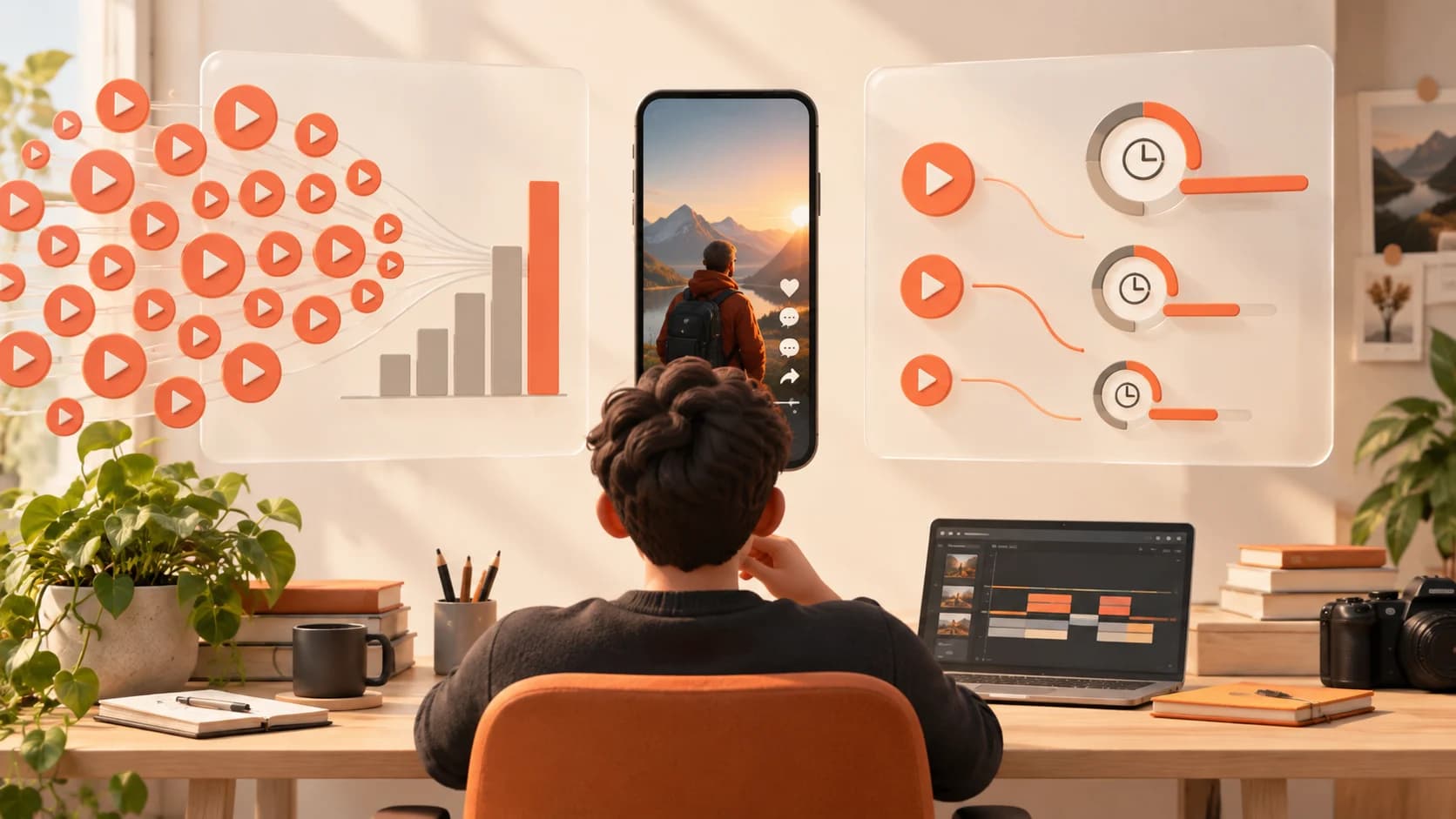
A clipping campaign spreads the same budget across many creators making many clips. Twenty clippers, each posting a few clips, gives you 60+ pieces of content hitting 60+ micro-audiences. Some flop. Some pop. You only pay for the views that land — so the flops barely cost you, and the winners scale.
It's the difference between betting everything on one horse and owning a slice of the whole race.
How a clipping campaign actually works
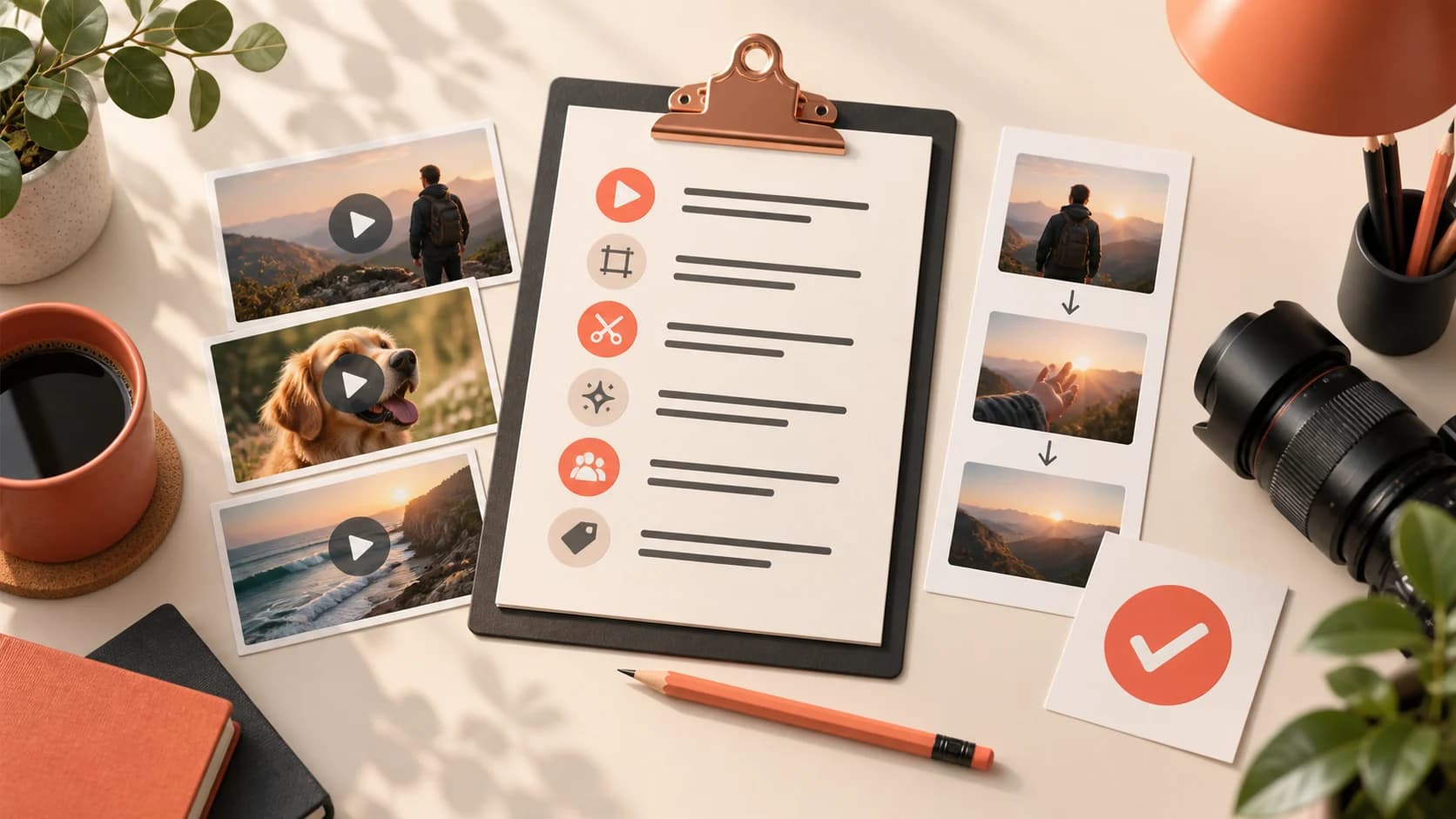
- You upload your content — a podcast, a product demo, a founder clip, a launch video.
- You set a rate and a budget — say ₹5,000 per million verified views, ₹50,000 total.
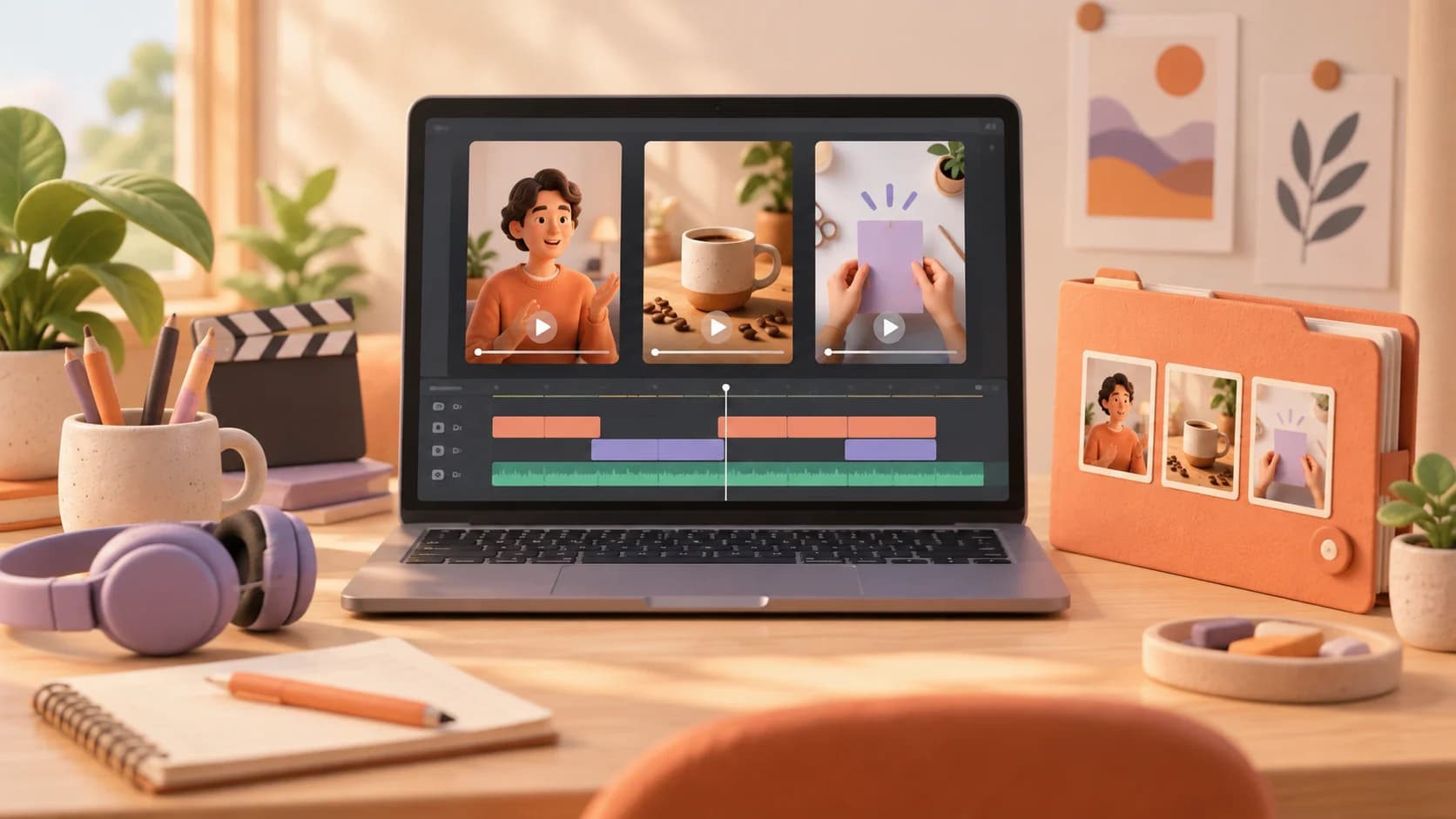
- Clippers pick it up, cut it into short-form clips, and post on their own accounts.
- The platform verifies views against real data and pays clippers per view.
- You watch the numbers climb — and you never pay for a view that didn't happen.
What makes a campaign actually work
- Give clippers raw gold. The funnier, more shocking, or more useful your source content, the better the clips. Boring source = boring clips.
- Keep the brief loose. Let clippers do what they do. They know their audiences better than your brand deck does.
- Set a fair rate. Too low and no good clipper touches it. Competitive rates attract the clippers who actually get views.
- Think volume, not polish. Fifty rough clips that get distributed beat one polished ad nobody sees.
Who this works best for
Anyone with content and a reason to want reach: D2C brands, apps, course creators, podcasters, event organisers, even personal brands. If you have something worth clipping and you'd rather pay for outcomes than promises, this is the model.
Frequently Asked Questions
How is this different from influencer marketing? Influencer marketing pays a flat fee for a post, win or lose. Clipping pays per verified view across many creators. You pay for results, not reach you're promised.
What if the clips don't get views? Then you barely spend anything — you only pay for views that actually happen. That's the entire safety of the model.
Do I need a huge budget to start? No. You set the budget. A small campaign is a cheap way to test whether your content clips well before scaling.
How do you stop fake views? A real marketplace verifies views against platform data and screens for fraud before paying. On Dashrize, only verified views count toward payouts.
Ready to stop gambling on single posts? Launch a clipping campaign on Dashrize and pay only for the views you actually get.
Find these guides useful?
Add Dashrize as a preferred source on Google to see more of our creator-earnings guides in your Search results.