Influencer Marketing vs Video Clipping in India: Cost, Reach & ROI (2026)
Influencer marketing vs video clipping for brands in India — an honest comparison of cost, reach, and ROI. One charges a flat fee for one post; the other pays per verified view across hundreds of creators.
If you're a brand in India deciding where to put your short-form budget, the choice increasingly comes down to two models: pay an influencer a flat fee for a post, or pay per verified view across a network of clippers. They sound similar. On cost and ROI, they're very different. Here's the honest comparison.
Key Takeaways
- Influencer marketing charges a fixed fee upfront for one creator's post — no guarantee of views.
- Clipping pays per verified view across hundreds of creators — you only pay for reach that happened.
- Influencers give you one audience; clipping gives you many relevant micro-audiences in parallel.
- For performance and predictability, clipping wins; for a single premium placement, an influencer can still make sense.
The core difference
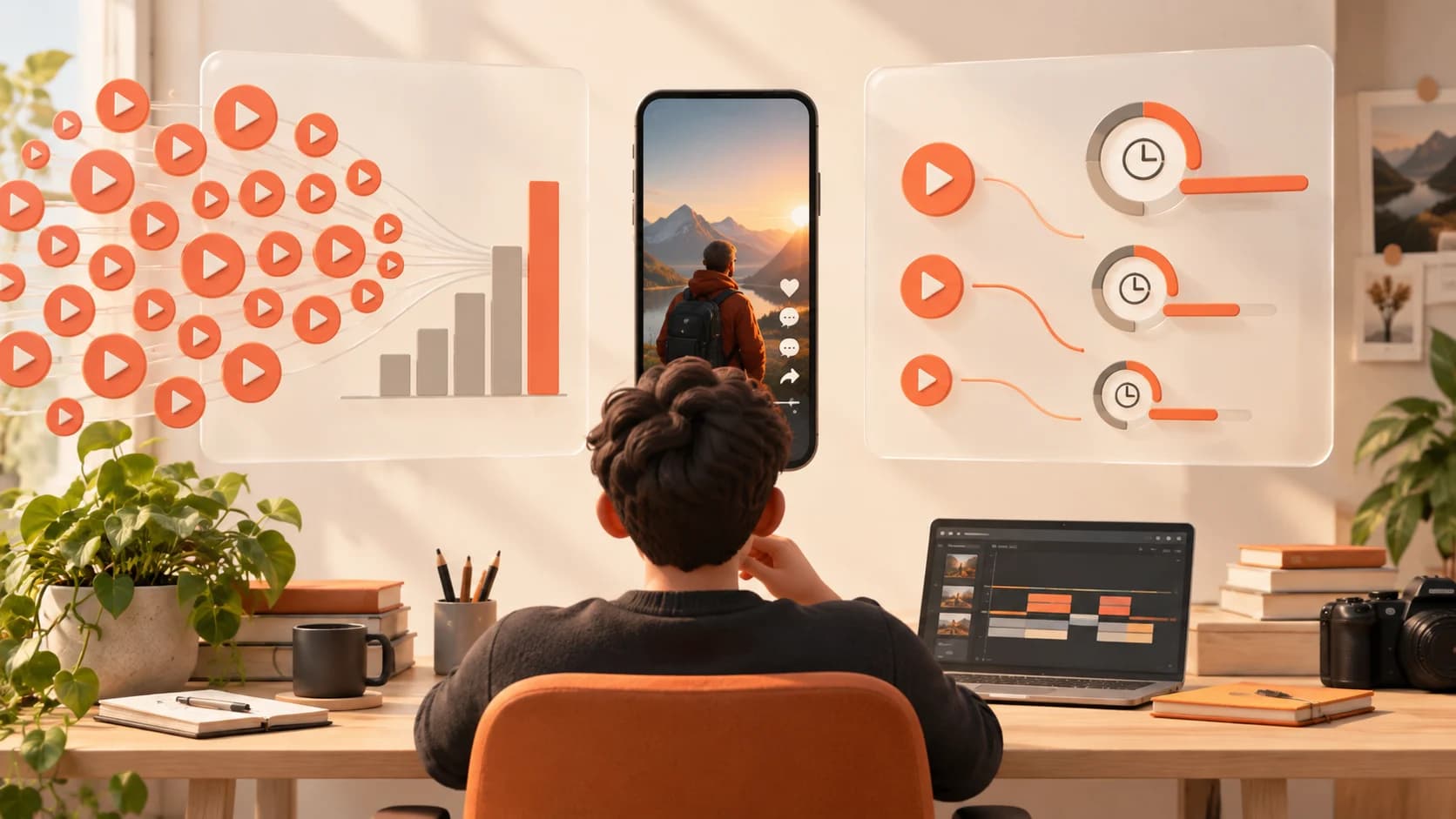
Influencer marketing is a flat-fee, single-placement model: you pay a creator a set amount, they post once, and you hope it performs. Clipping is a pay-per-view, many-creators model: you fund a campaign, dozens or hundreds of clippers post your content, and you pay only for the verified views those clips earn.
| Influencer marketing | Video clipping | |
|---|---|---|
| Pricing | Flat fee upfront | Per verified view |
| Risk | You pay whether it performs or not | You pay only for real views |
| Reach | One creator's audience | Hundreds of creators in parallel |
| Targeting | That creator's followers | Many relevant niche audiences |
| Predictability | Low (one post, one roll of the dice) | High (spend maps to real reach) |
Cost and ROI
With an influencer, your cost is fixed and your outcome isn't — a ₹50,000 post might do great or flop, and you paid the same either way. With clipping, your cost follows performance: you set a rate per 1,000 views and only pay for verified views, so a rupee spent is a rupee of real reach. That's why clipping's cost per real view typically lands well below a flat influencer fee. For the numbers, see ad costs vs clipping.
Reach and targeting
An influencer gives you one audience. Clipping puts your content out through many creators at once, each into their own niche community — so you hit lots of relevant micro-audiences instead of a single big one. And because it's native creator content, not an obvious paid post, people actually watch it. More on why that matters: why ads reach the wrong people.
When does each make sense?
- Influencer marketing still fits when you want a specific premium creator's endorsement or face.
- Clipping wins when you want cost-efficient, performance-priced reach at scale — which is most short-form goals. See video clipping for brands.
Frequently Asked Questions
Is clipping cheaper than influencer marketing? Usually yes, on a cost-per-real-view basis — you pay per verified view instead of a flat fee, so your spend follows performance rather than paying regardless of results.
Which gives more reach — influencers or clipping? Clipping typically reaches more, because your content goes out through hundreds of creators in parallel instead of one, across many relevant niches.
Is influencer marketing ever the better choice? Yes — when you specifically want one premium creator's endorsement or personal brand attached to your product.
How is clipping priced for brands? You set a rate per 1,000 verified views with no retainer or minimum, and pay only for the verified views your campaign earns.
Want performance-priced reach instead of a flat fee? Run a campaign on Dashrize — pay per verified view, no agency markup.
Find these guides useful?
Add Dashrize as a preferred source on Google to see more of our creator-earnings guides in your Search results.